
Science
Education
Art & Design
Research

OUTA's technology stack is a multi-layered system that seamlessly integrates BCI signal acquisition, AI processing, and blockchain execution.

Supports multiple BCI methodologies to accommodate different user needs and technology maturity levels.

The private key is derived from a neural pattern and uses biometric encryption; transactions use neural-verified multi-signatures.
Neuro-Asset-Intelligent-Web — Building a Decentralized Future for Brain-Computer Interfaces (BCI)
🚀 Welcome to OUTA Neuro-Asset-Intelligent-Web
OUTA (Neuro-Asset-Intelligent-Web) is the world’s first crypto project dedicated to deeply integrating revolutionary Brain-Computer Interface (BCI) technology with blockchain’s decentralized trust mechanisms. We are creating a transparent, secure, and incentive-driven ecosystem to accelerate the transition of BCI technology from laboratories to global clinical and commercial applications.
Our vision: Unlock the limitless value of human brain data through blockchain trust.
I. OUTA Core Value: Combining Two Disruptive Technologies
BCI technology is moving from laboratories to clinical applications, but its large-scale adoption faces two major challenges: data security and incentive mechanisms. OUTA leverages blockchain to address these core issues.
Technology: Brain-Computer Interface (BCI)
Core Challenge: Collected brain signals (EEG, etc.) are extremely sensitive, involving user privacy and data sovereignty.
OUTA Solution: Decentralized data storage and access: Using encryption to ensure brain signal data is stored under user control and accessible only with authorization.
Technology: Blockchain & OUTA
Core Challenge: Clinical trials and algorithm training require massive, high-quality neural data, but there is a lack of effective incentive mechanisms.
OUTA Solution: OUTA token incentives: Reward users for securely sharing de-identified data and contributors to BCI algorithms and applications.
| Technology | Brain-Computer Interface (BCI) | Blockchain & OUTA |
|---|---|---|
| Core Challenge | Collected brain signals (EEG, etc.) are extremely sensitive, involving user privacy and data sovereignty. | Data sovereignty and security. |
| OUTA Solution | Decentralized data storage and access: Using encryption to ensure brain signal data is stored under user control and accessible only with authorization. | |
| Core Challenge | Clinical trials and algorithm training require massive, high-quality neural data, but there is a lack of effective incentive mechanisms. | Ecosystem incentives and transparency. |
| OUTA Solution | OUTA token incentives: Reward users for securely sharing de-identified data and contributors to BCI algorithms and applications. |
Revolutionary Foundations of BCI Technology
Our ecosystem is built upon the cutting-edge core principles of BCI.
Core Principles: Building a Closed-Loop Brain-Computer Interaction System
The OUTA ecosystem will support all major types of BCI signal acquisition and processing:
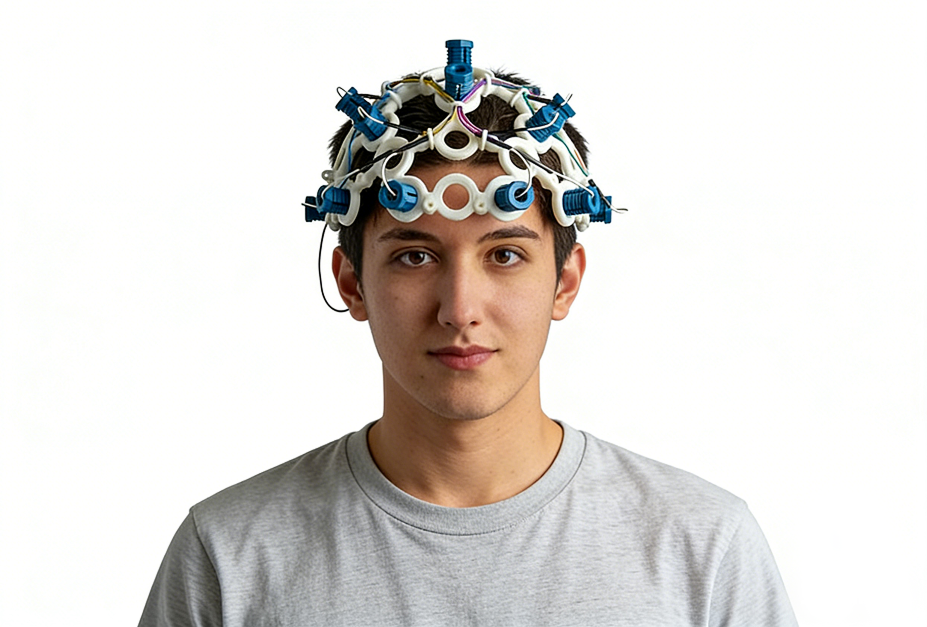
Signal Acquisition: Supports both invasive (e.g., Neuralink) and non-invasive (e.g., EEG wearable devices) electrodes to capture the brain’s electrical signals or neural activity.
Signal Processing and Command Generation: Amplifies, filters, extracts features, and recognizes patterns from raw signals, converting them into computer-understandable digital signals and generating control commands for external devices.
Feedback Mechanism: Establishes a closed-loop between control outcomes and brain information to ensure system efficiency and learning capability.
Broad Application Prospects
OUTA empowers the development of the following key areas:
Medical Rehabilitation: Assists paralyzed patients in controlling robotic arms or wheelchairs with their thoughts to restore limb functionality; aids in diagnosing patients with consciousness disorders; helps patients with aphasia to “speak.”
Cognitive Enhancement: Monitors and optimizes attention and workload for soldiers, improving alertness and operational performance.
Next-Generation Human-Computer Interaction: Enables mind-controlled operation of computers, drones, and augmented reality (AR) devices.
1. Incentives and Proof of Contribution
- Data Sharing Rewards: Users who securely and anonymously contribute de-identified brain activity data via BCI devices to train AI models will receive OUTA token rewards.
- Algorithm Developer Incentives: Developers who create more efficient signal processing and pattern recognition algorithms are rewarded, promoting continuous technological iteration.
2. Governance and Access Rights
- Community Governance: OUTA holders have decentralized governance rights over network upgrades, fund allocation, and key decision-making.
- Data Service Access: Institutions and researchers must burn or stake OUTA tokens to purchase or access high-quality neural datasets in the network for commercial development or research purposes.
3. Innovation and Future Possibilities
OUTA will support innovations such as issuing “Neural Asset NFTs,” representing unique, encrypted brain activity patterns; or applying BCI to augmented reality (AR) devices to enable mind-controlled interactions with virtual environments.
BCI has become a global technology hotspot and a focus of cutting-edge research.
Technical Milestones: Several clinical trials have achieved breakthroughs, such as Neuralink accelerating commercialization.
OUTA’s Positioning: We intervene at the critical commercialization stage of BCI technology, using blockchain to build trust and incentive layers, addressing the last-mile issues of data and funding.
Future Goals: Establish the world’s largest decentralized neural data marketplace, becoming the core data hub for BCI chips, non-invasive systems, and invasive devices.
Seizing OUTA is seizing the underlying assets of the next-generation human-machine interaction revolution!